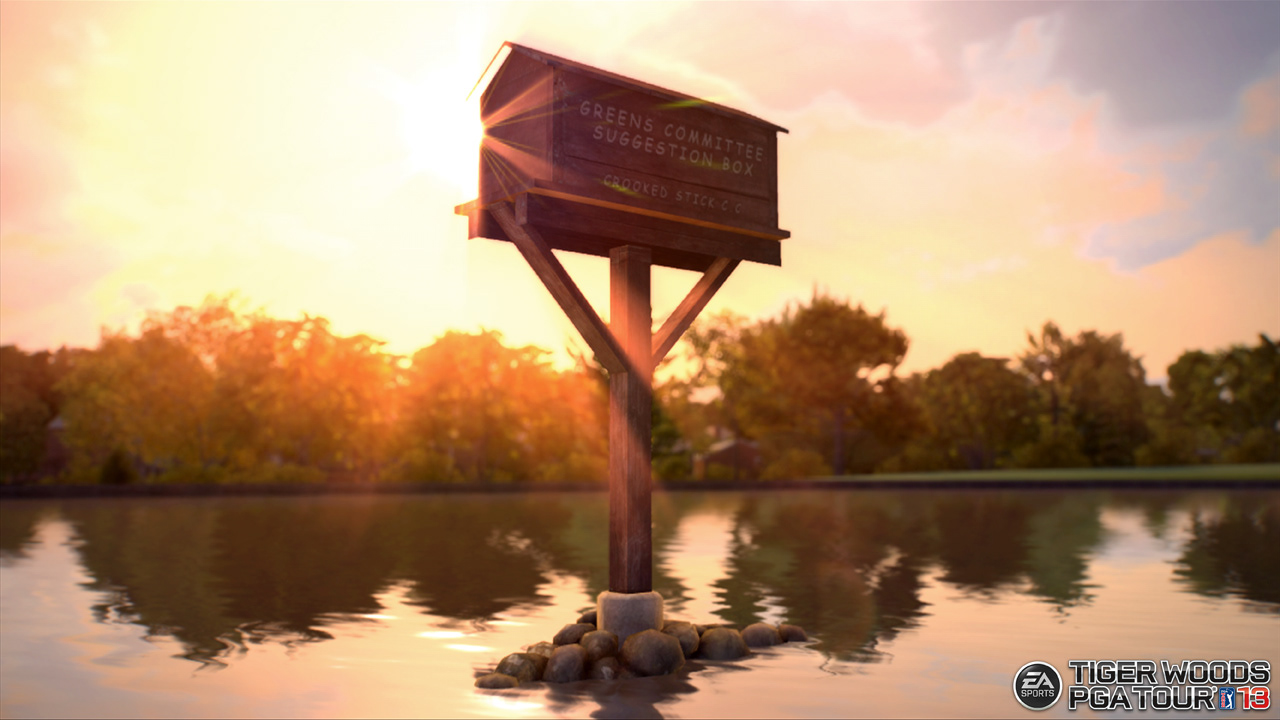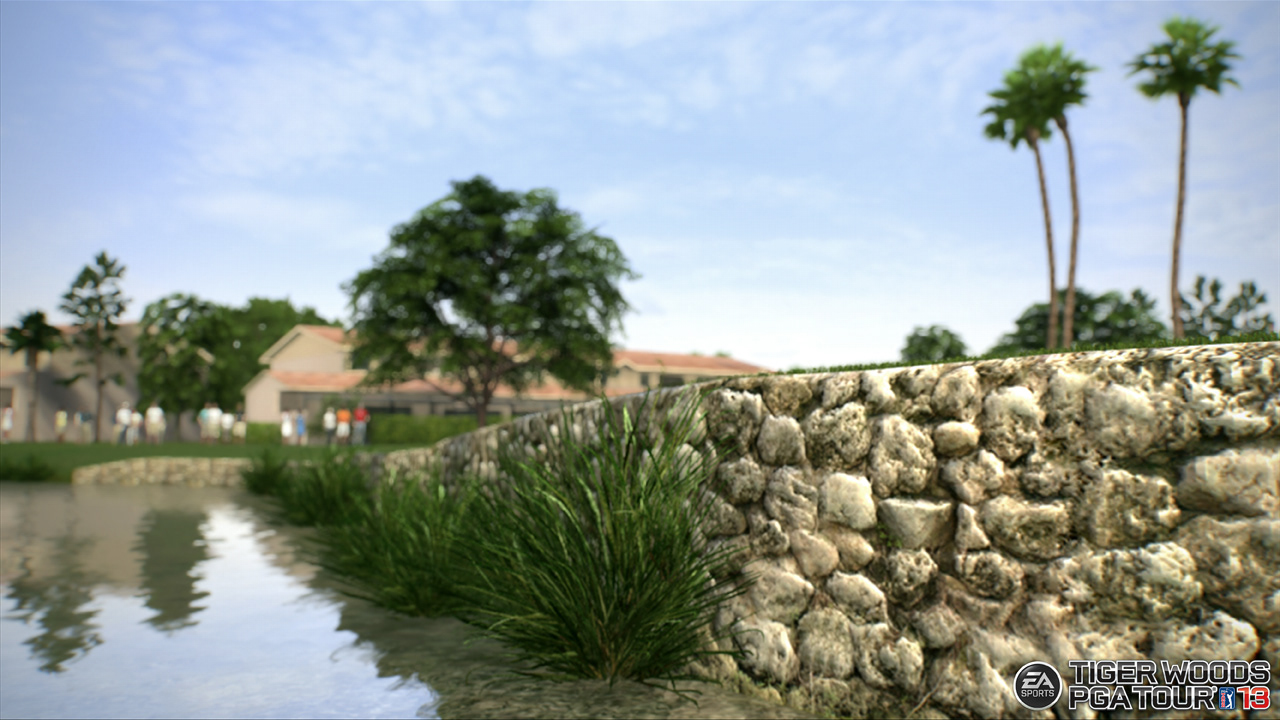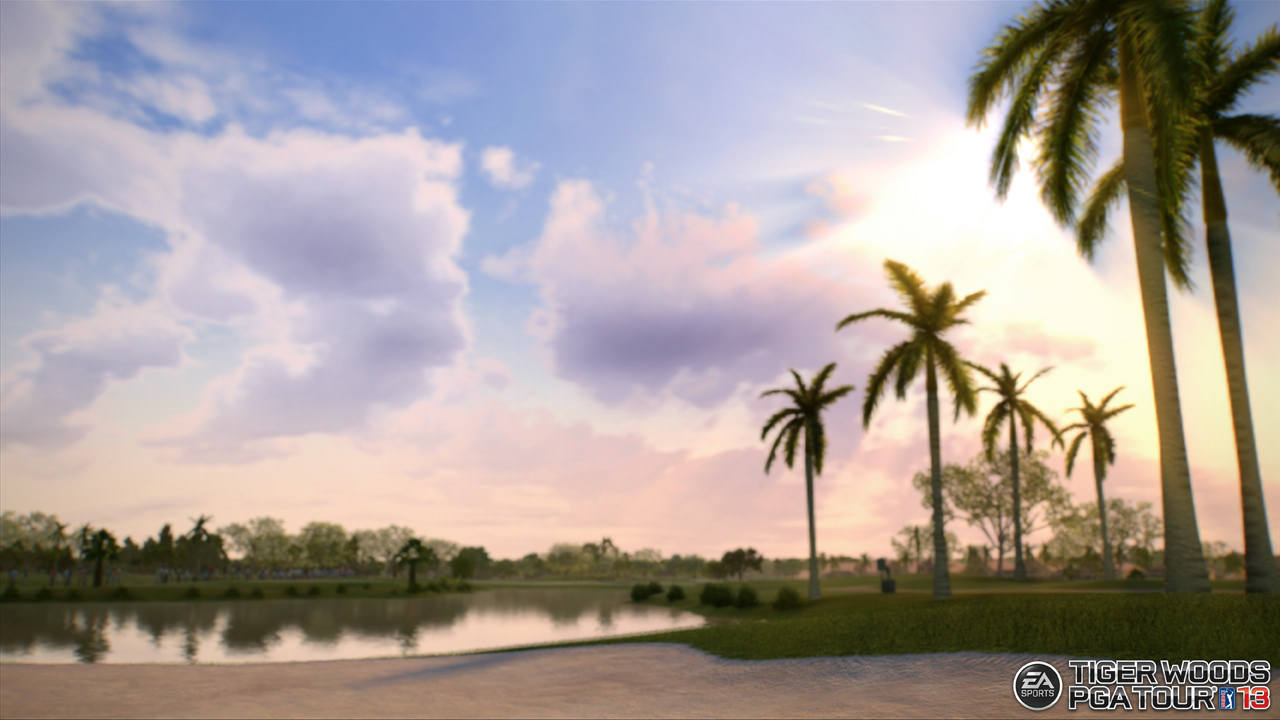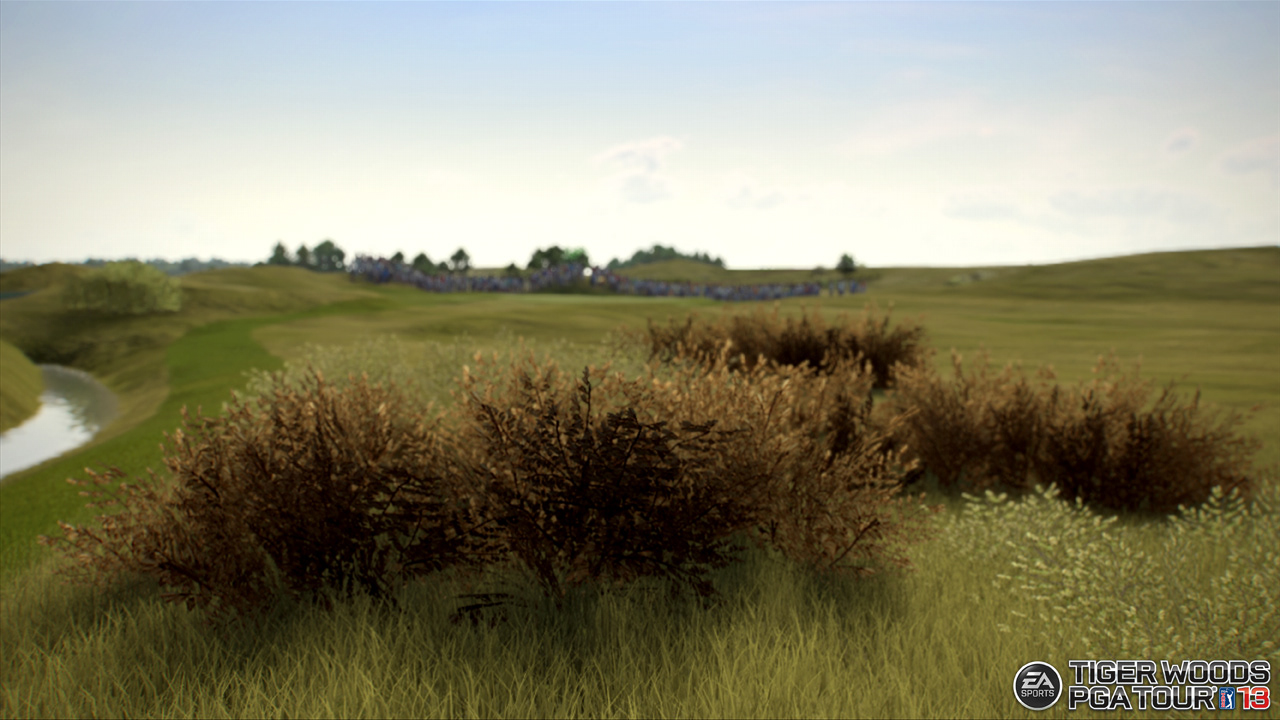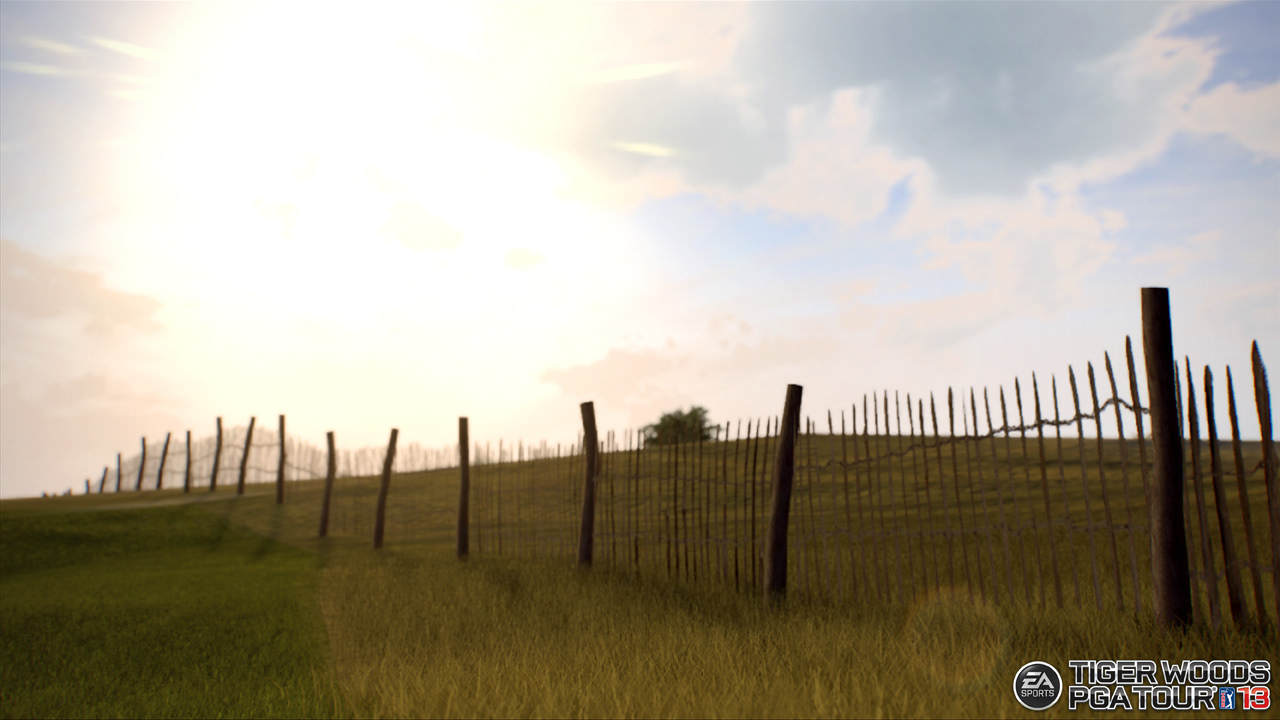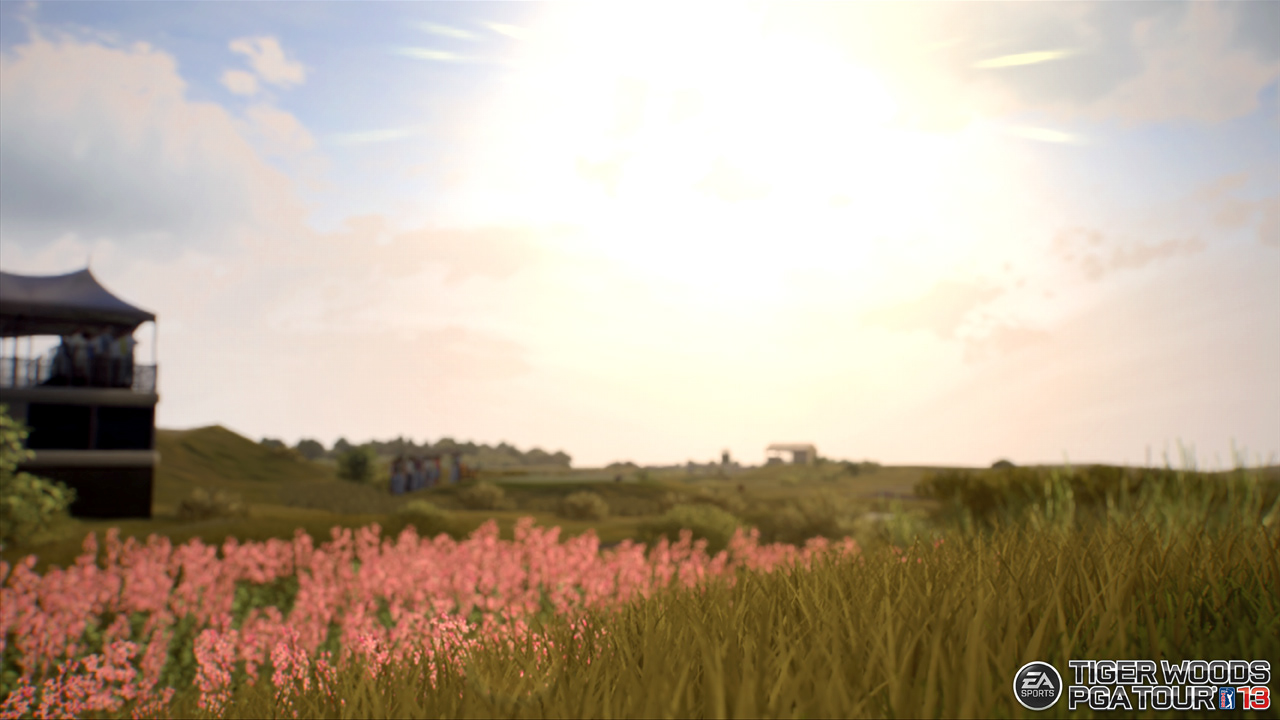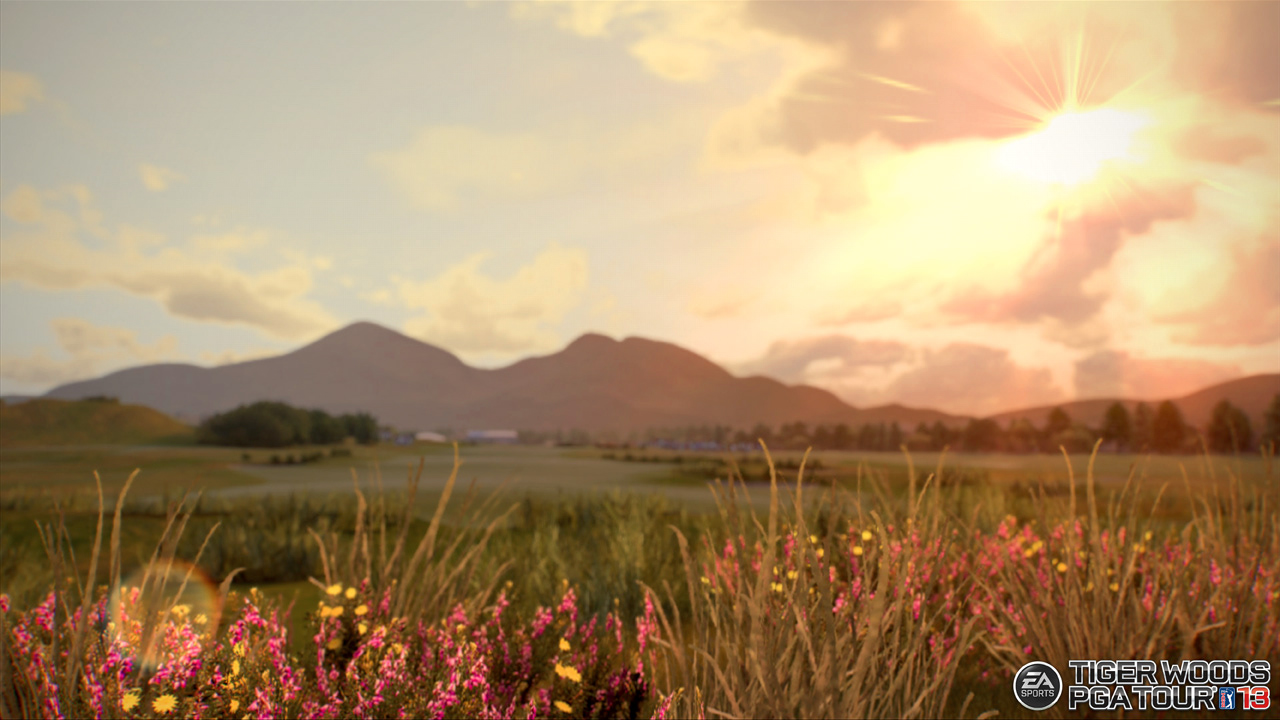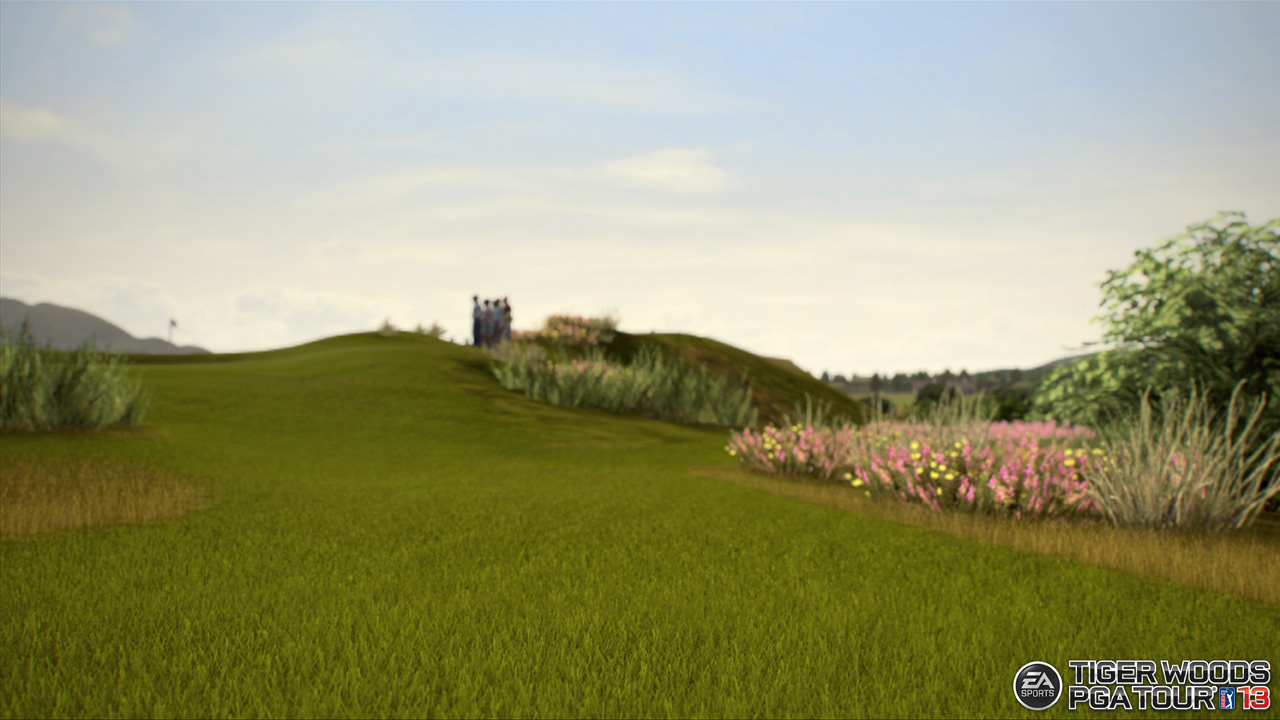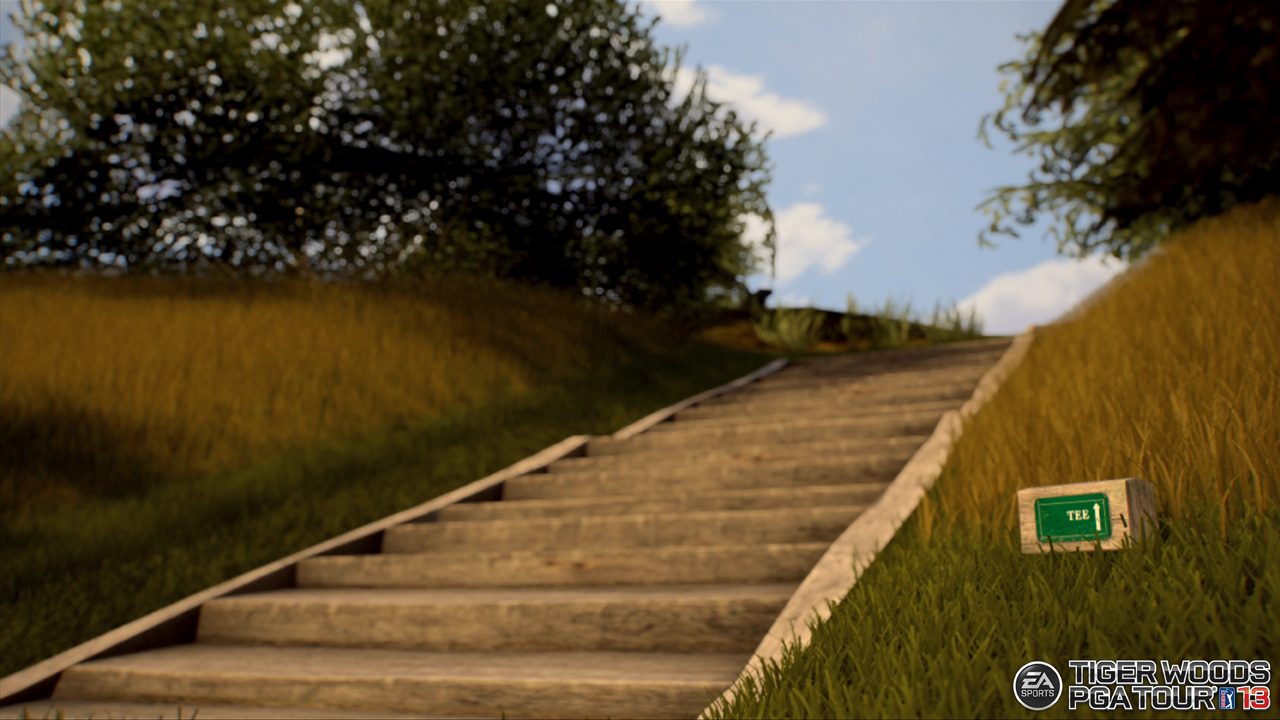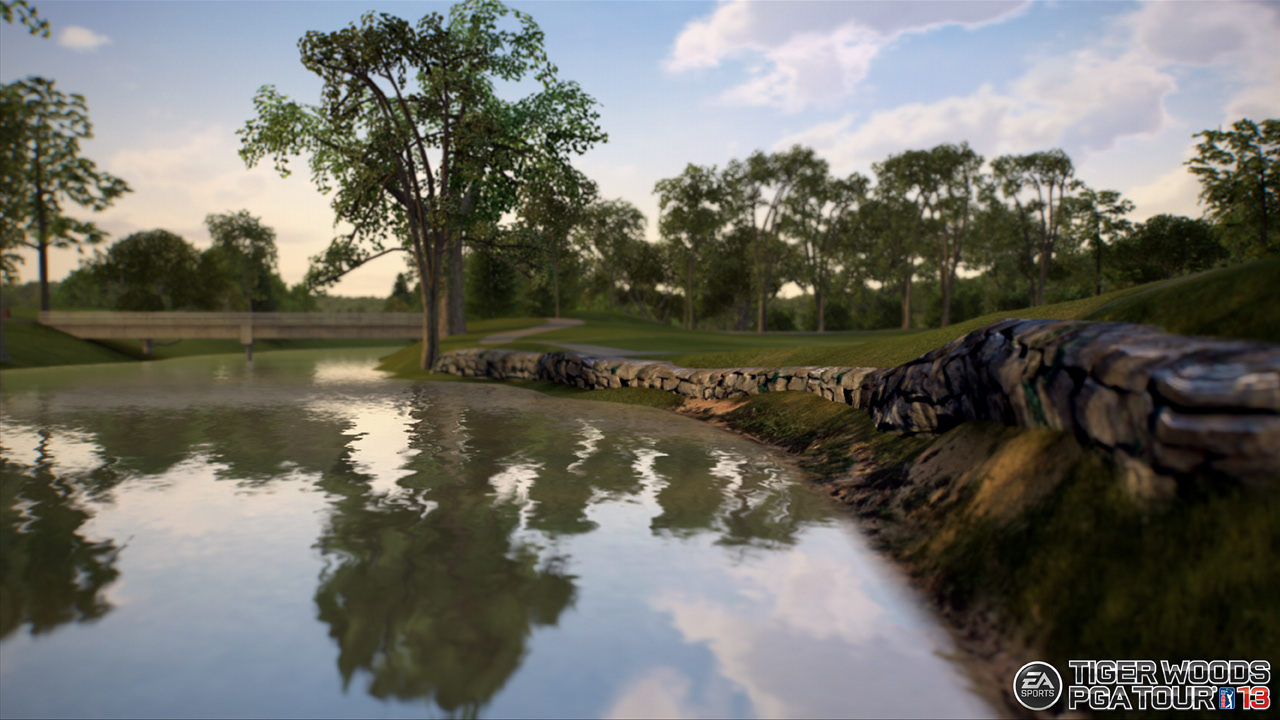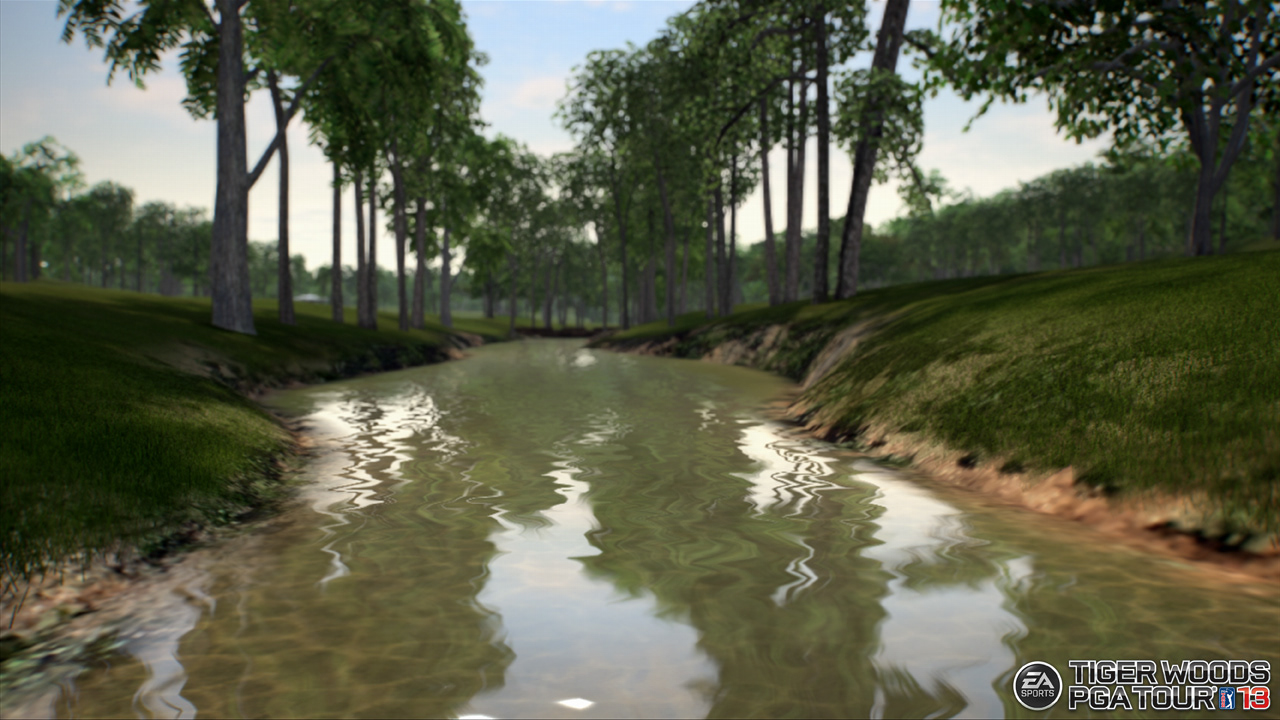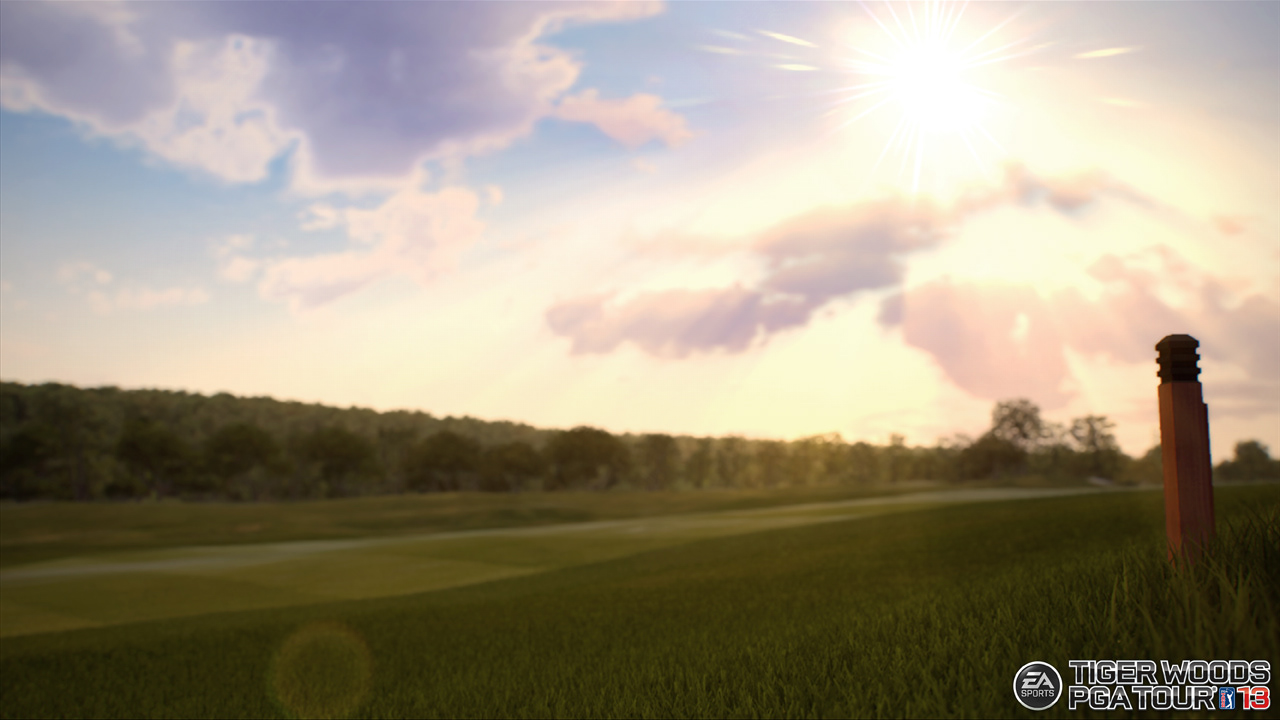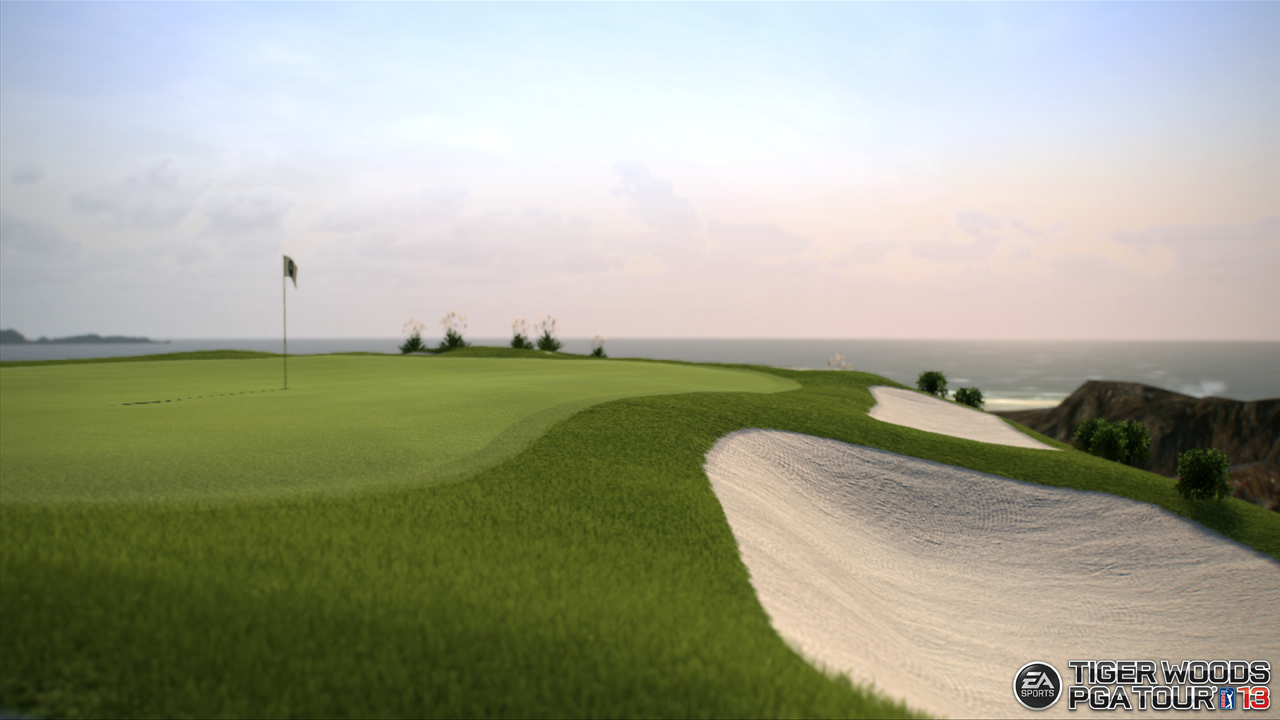
Taking the tee for a yearly release cycle like Tiger Woods PGA Tour is a bit like staring down a 40-foot putt on the 18th at Augusta: the pressure is immense, the clock is ticking, and there are absolutely no mulligans. When I took over the Art Direction, I knew I couldn't just "grip it and rip it” and needed a strategic game plan.
Rather than attempting a single overhaul, I authored and implemented an iterative style guide that spanned three releases, from Tiger Woods 11 through 13. This roadmap allowed the team to achieve high-level visual milestones incrementally while preserving the creative flexibility needed to introduce fresh features with every new season.
Responsibilities
Art Direction
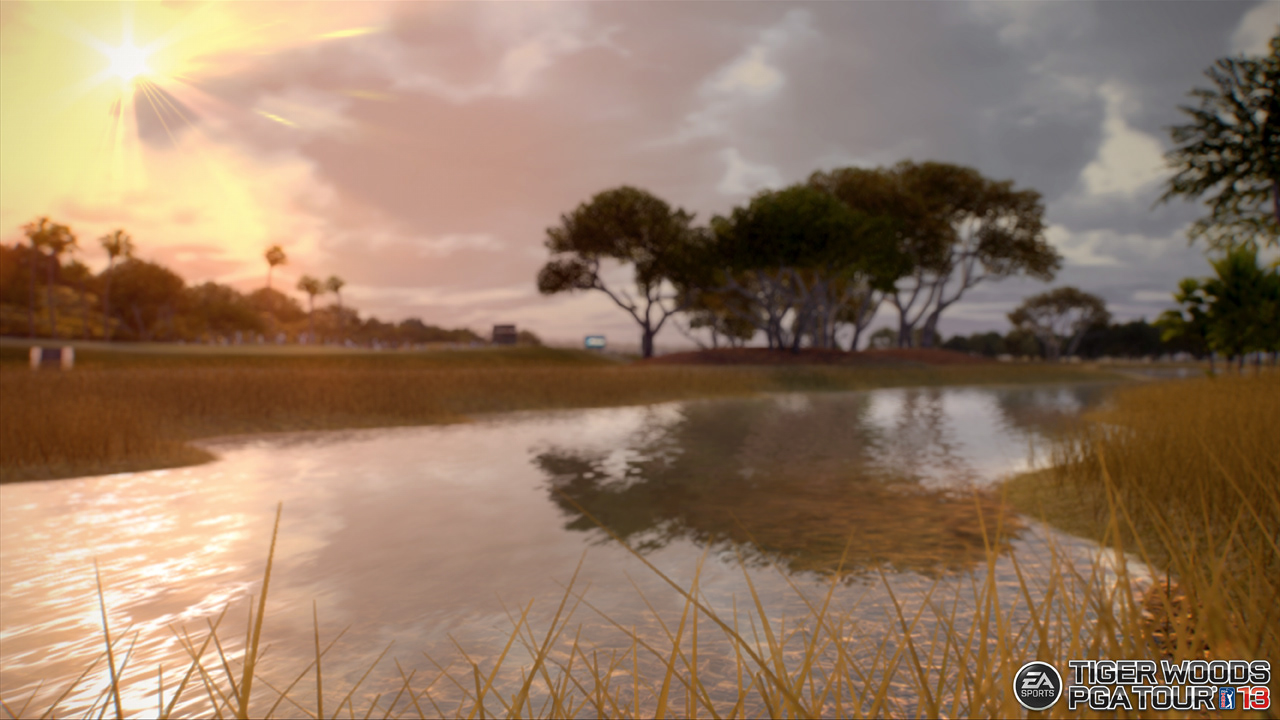
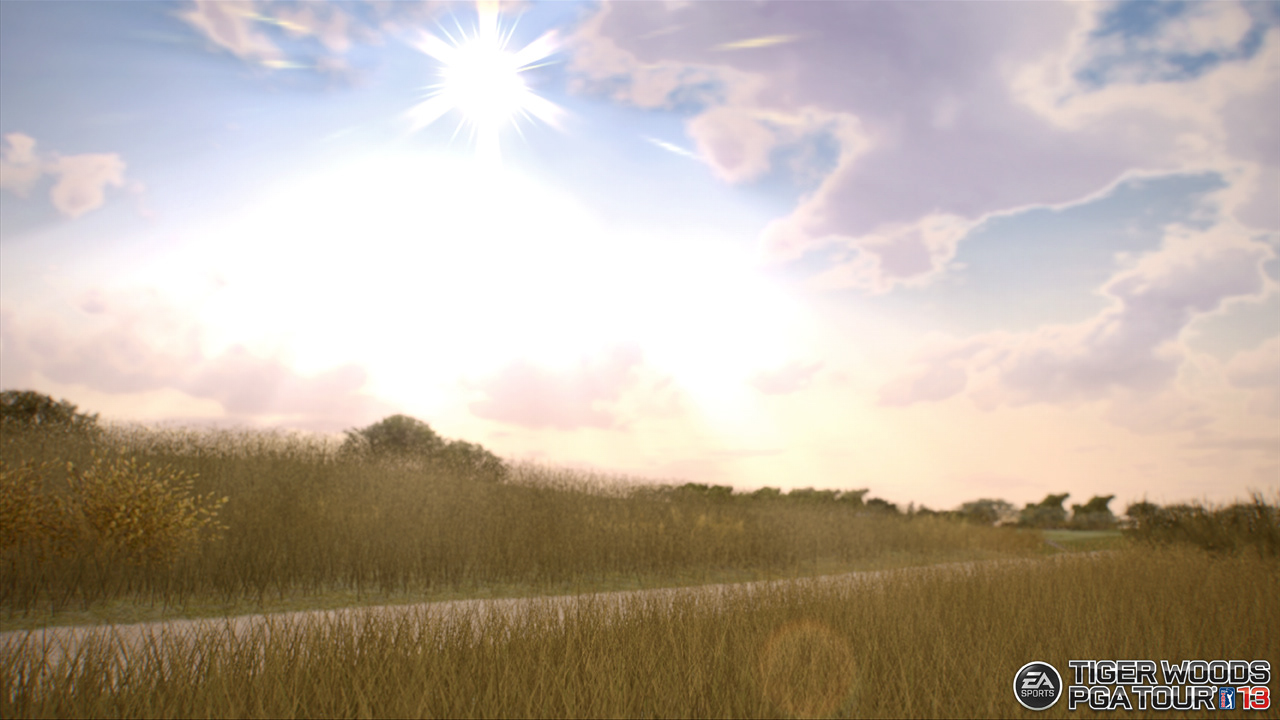
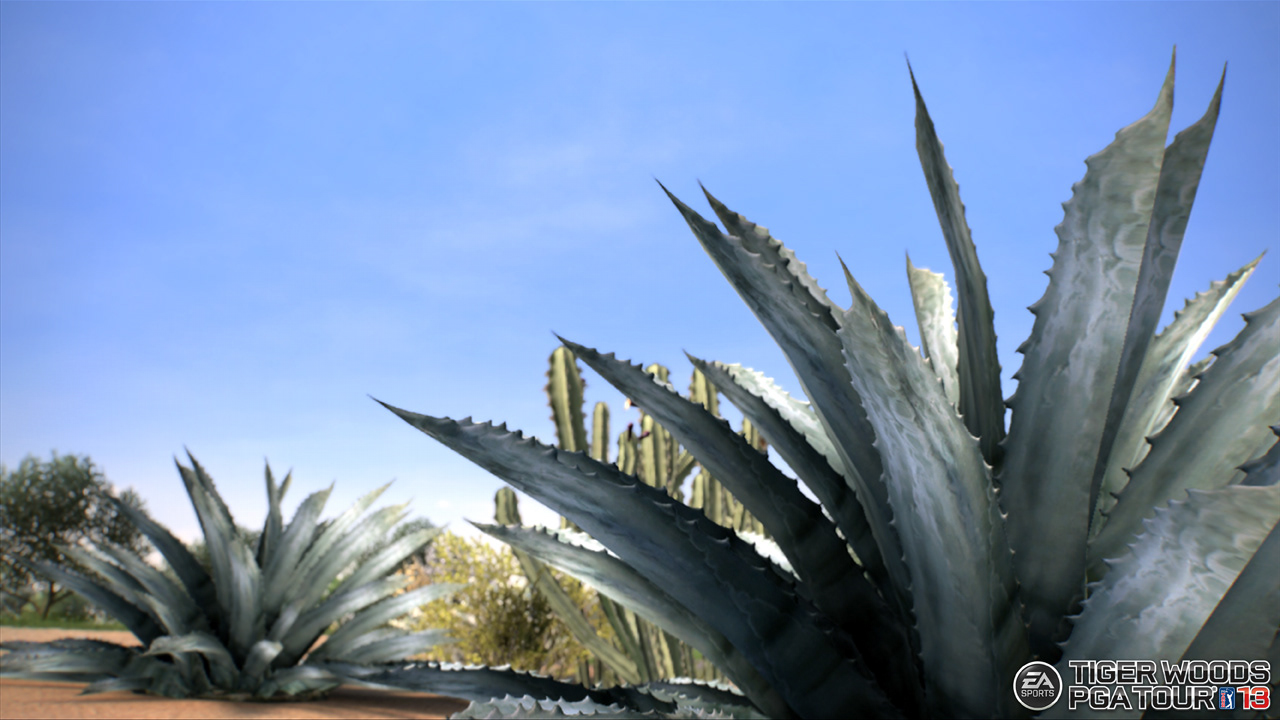
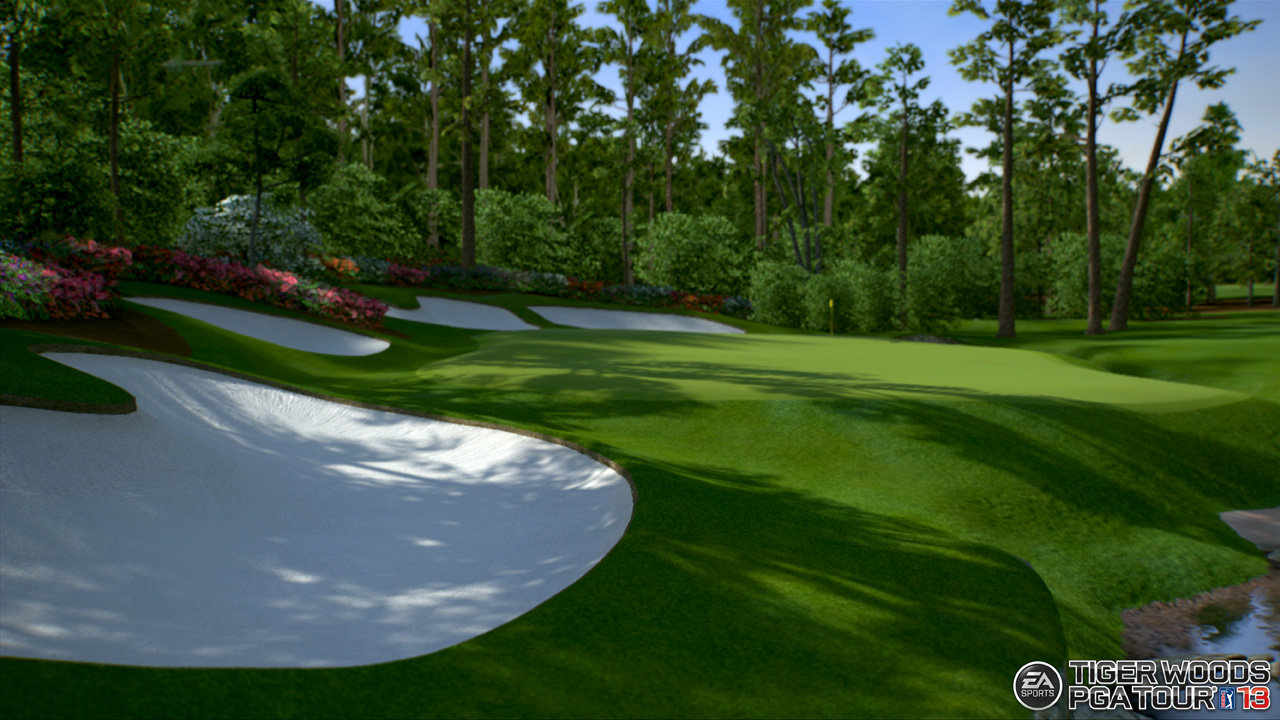
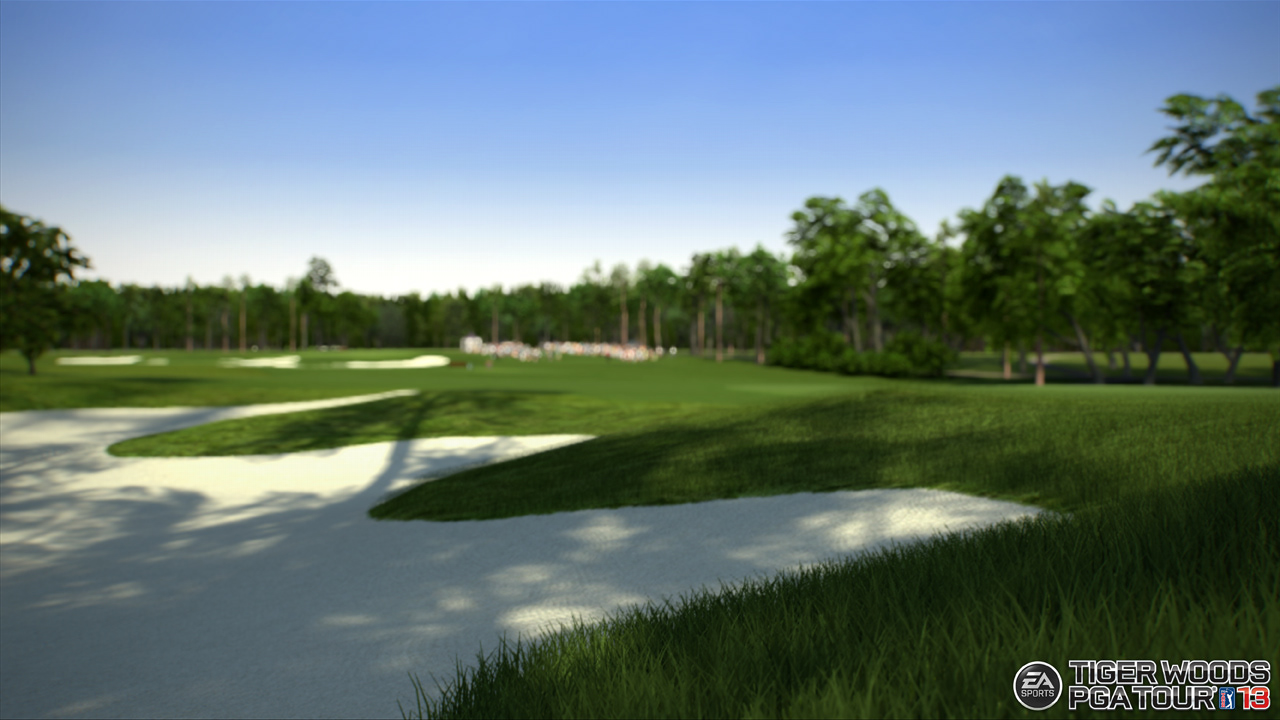
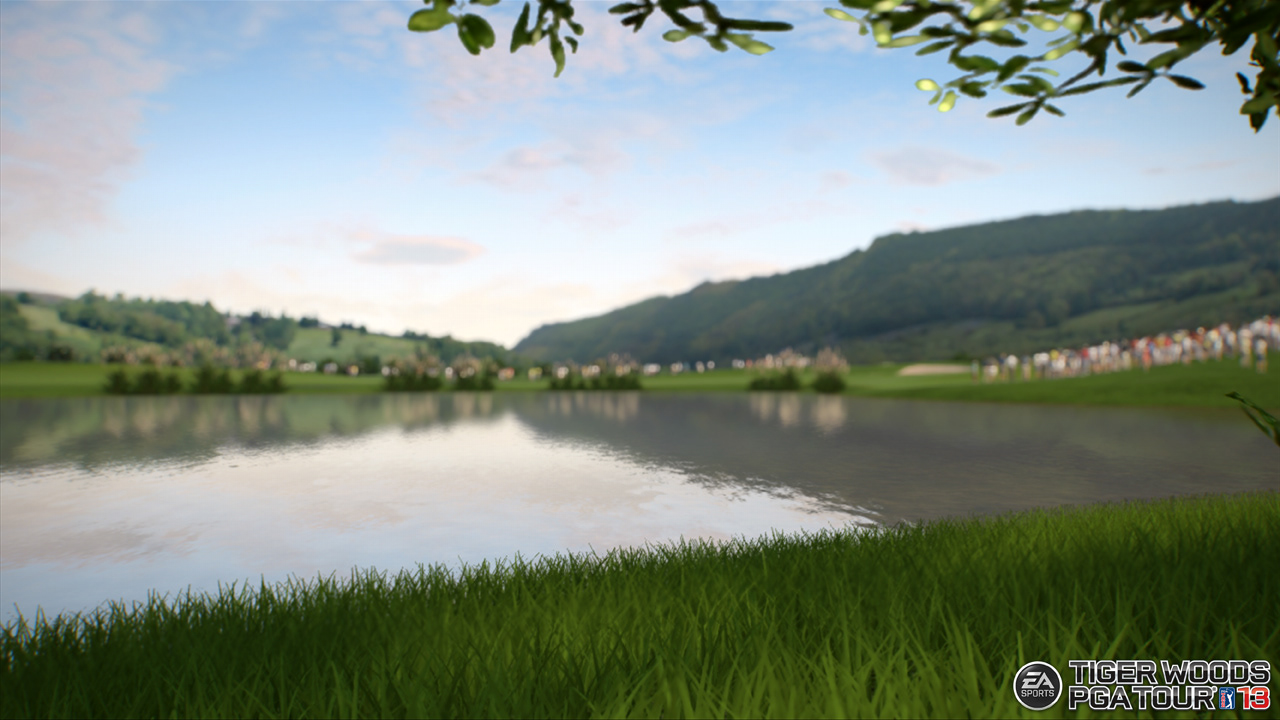
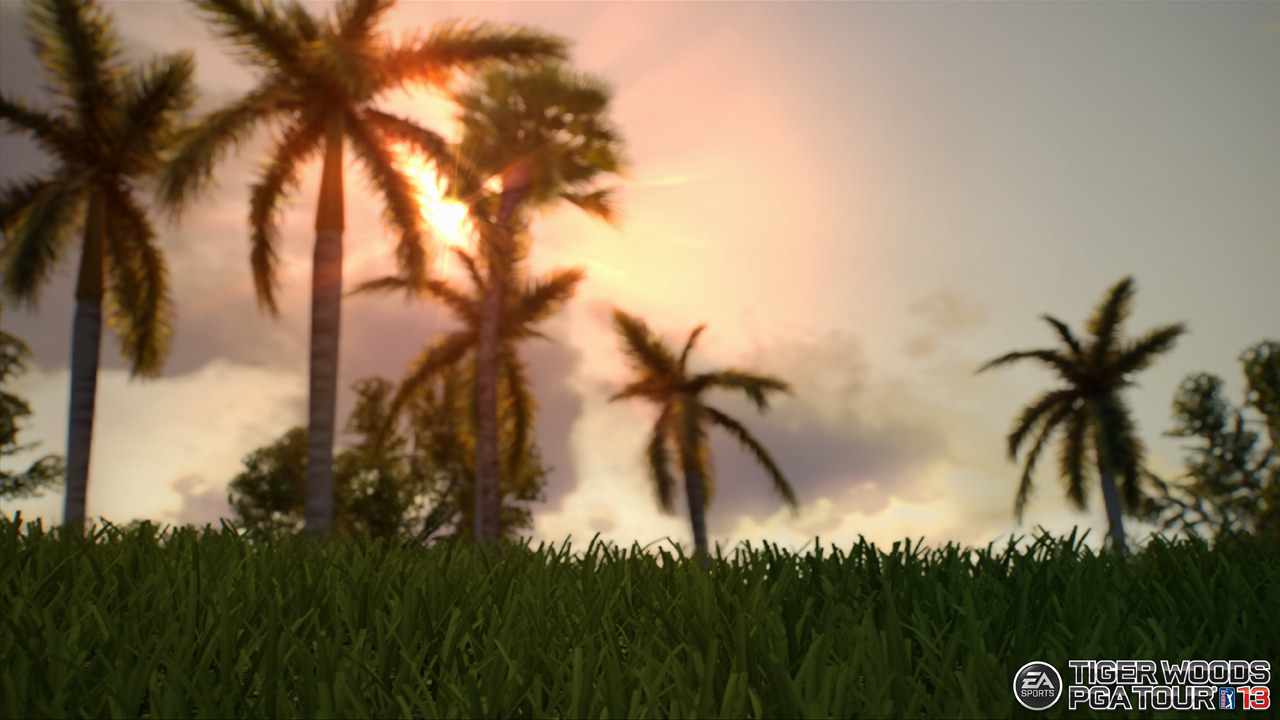
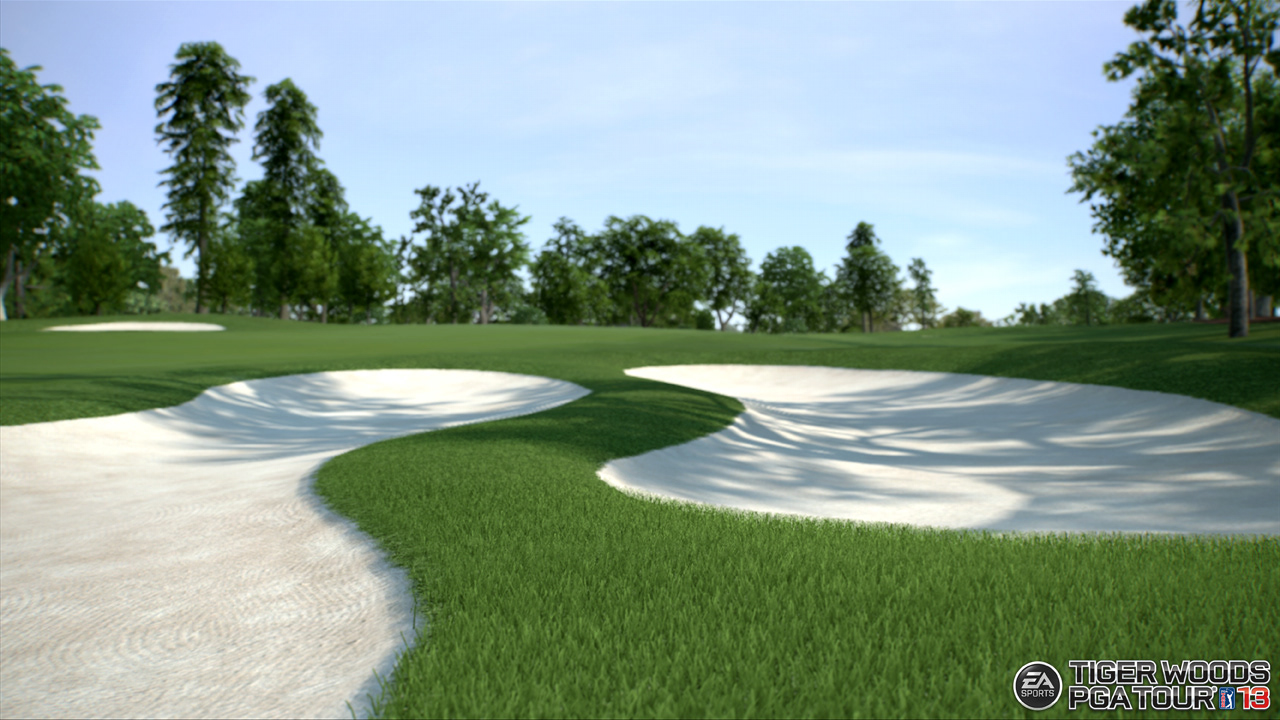
      On this release, I drove the graphical implementation of a sophisticated suite of shaders and rendering techniques. We focused on bringing the environment to life through water caustics, animated clouds, and sun rays. By introducing look-up tables (LUTs) for color grading alongside effects like depth of field with Bokeh effect, lens flares, and chromatic aberration, we were able to deliver a visual fidelity that mirrored a premium broadcast.

      I defined new visual benchmarks to support our "Tournament Presentation" feature, not just to polish the graphics but to rebuilt the experience, significantly improving crowd animation systems and density to reflect the energy of a Sunday finish. To complete this immersion, I led a total refresh of the user interface, adopting a crisp TV broadcast look-and-feel that tailored the presentation style to match the prestige of different tournament types.
Hands-On
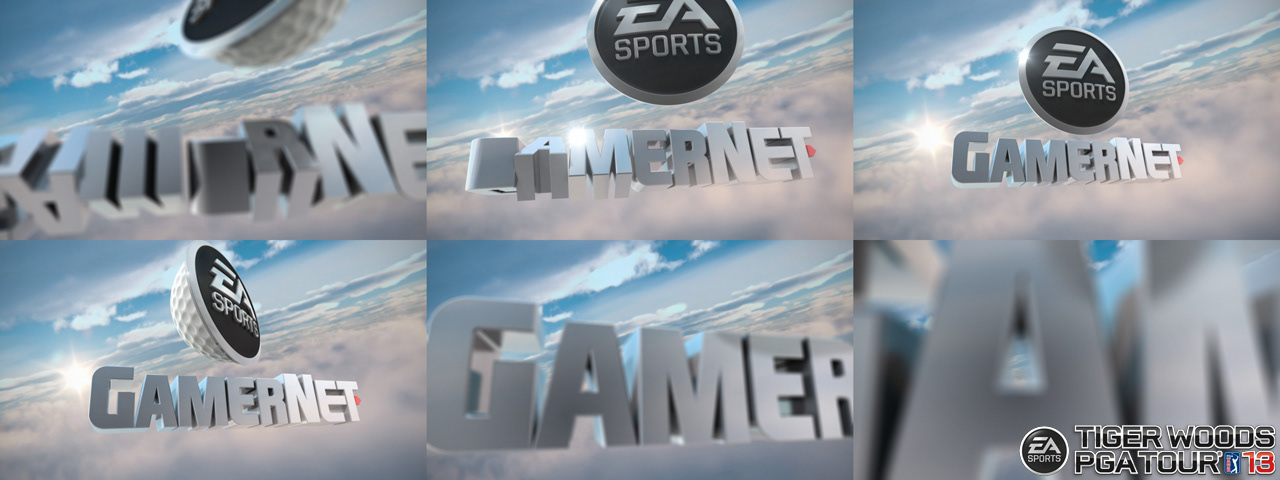
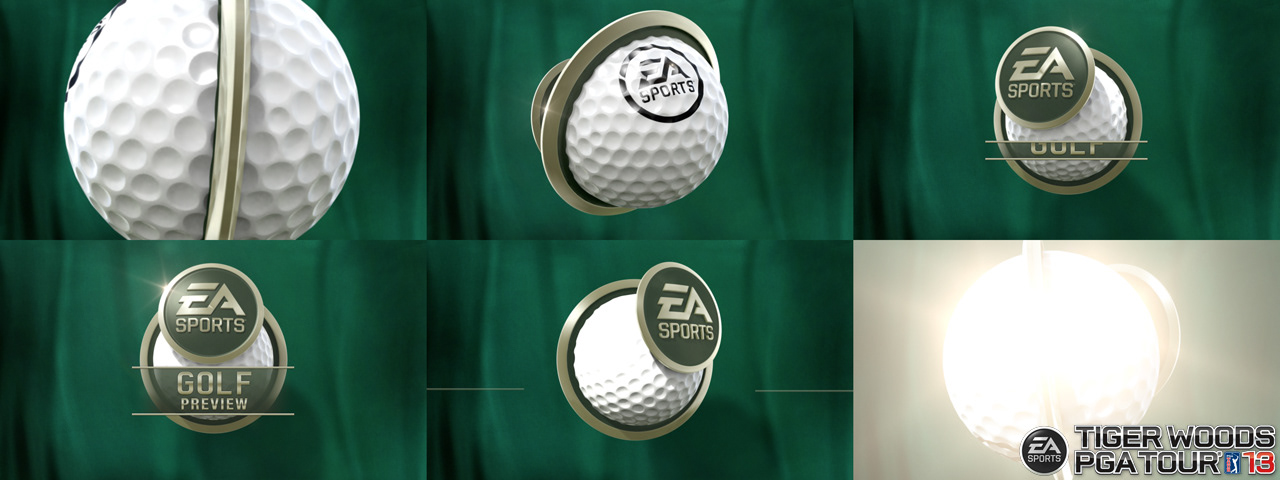
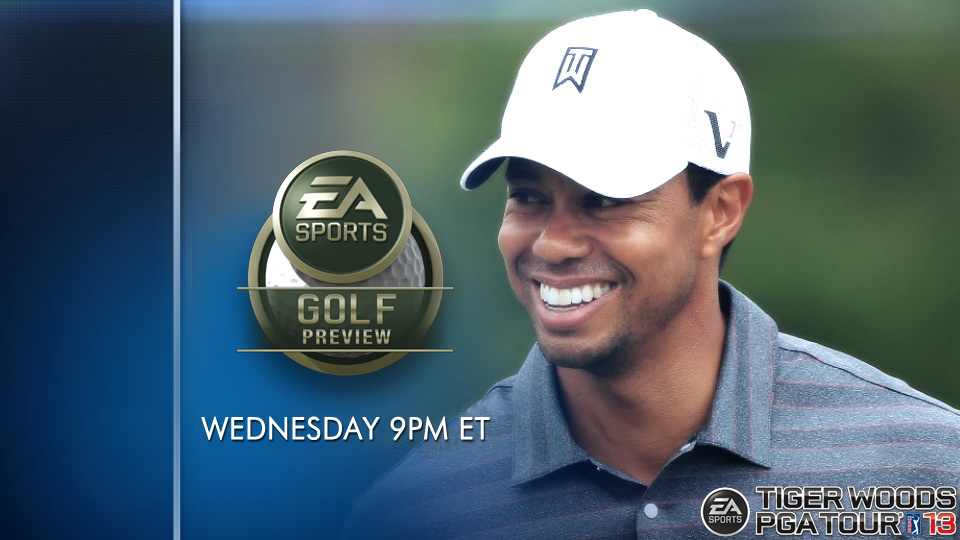
      I personally executed the cinematography for the project, crafting all in-game cameras for loading screen beauty shots, tournament fly-bys, and replay sequences. I also developed the color grading LUTs used across all courses and vintage eras, ensuring a distinct visual identity for every environment and gameplay event. To complete the broadcast experience, I produced the animated logos and video assets used throughout the game's presentation.
Color Grading
Process Breakdown

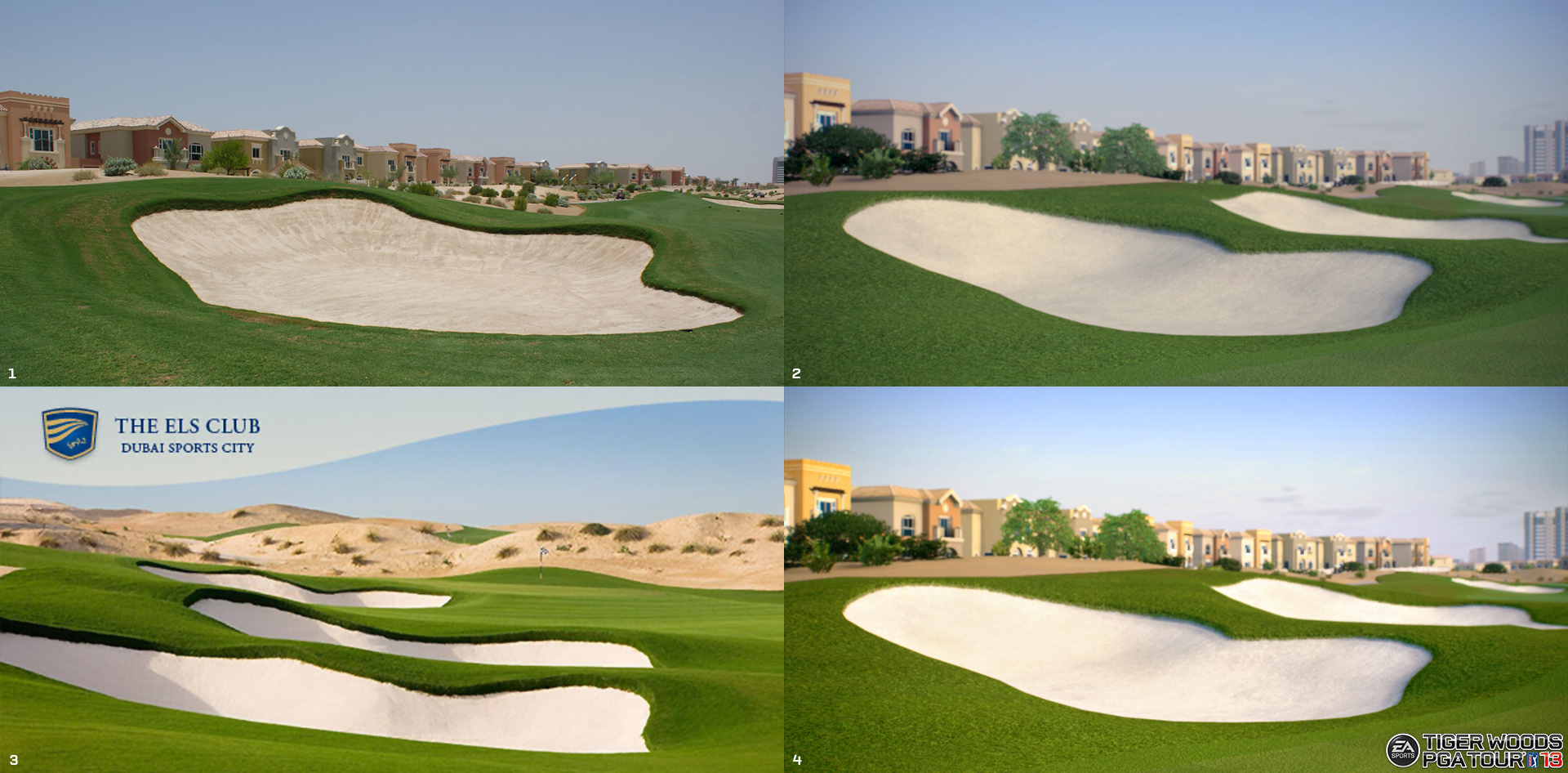
From references taken on-site when collecting 3D scans and photographs of the entire course (1), shaders and lighting were adjusted to replicate the original tones as closely as possible (2). Color grading with LUTs was then applied in-game (4), matching colors approved by the golf club on promotion materials like their official website (3).
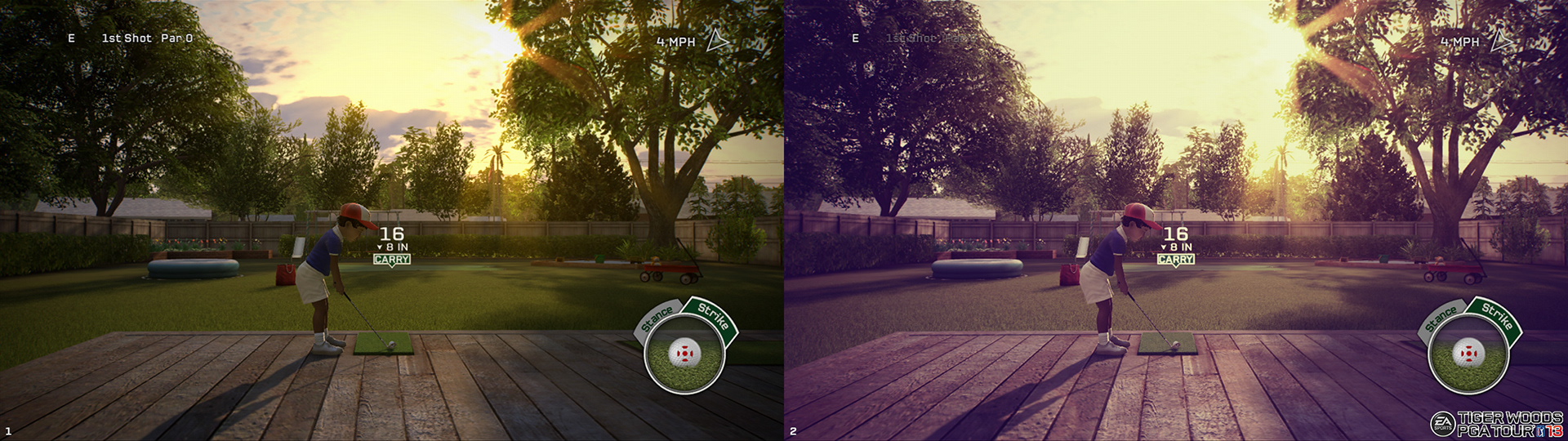
"Tiger Legacy" Feature

Comparison shots with color grading off (1), and "Tiger Legacy" 1970's era color grading (2).
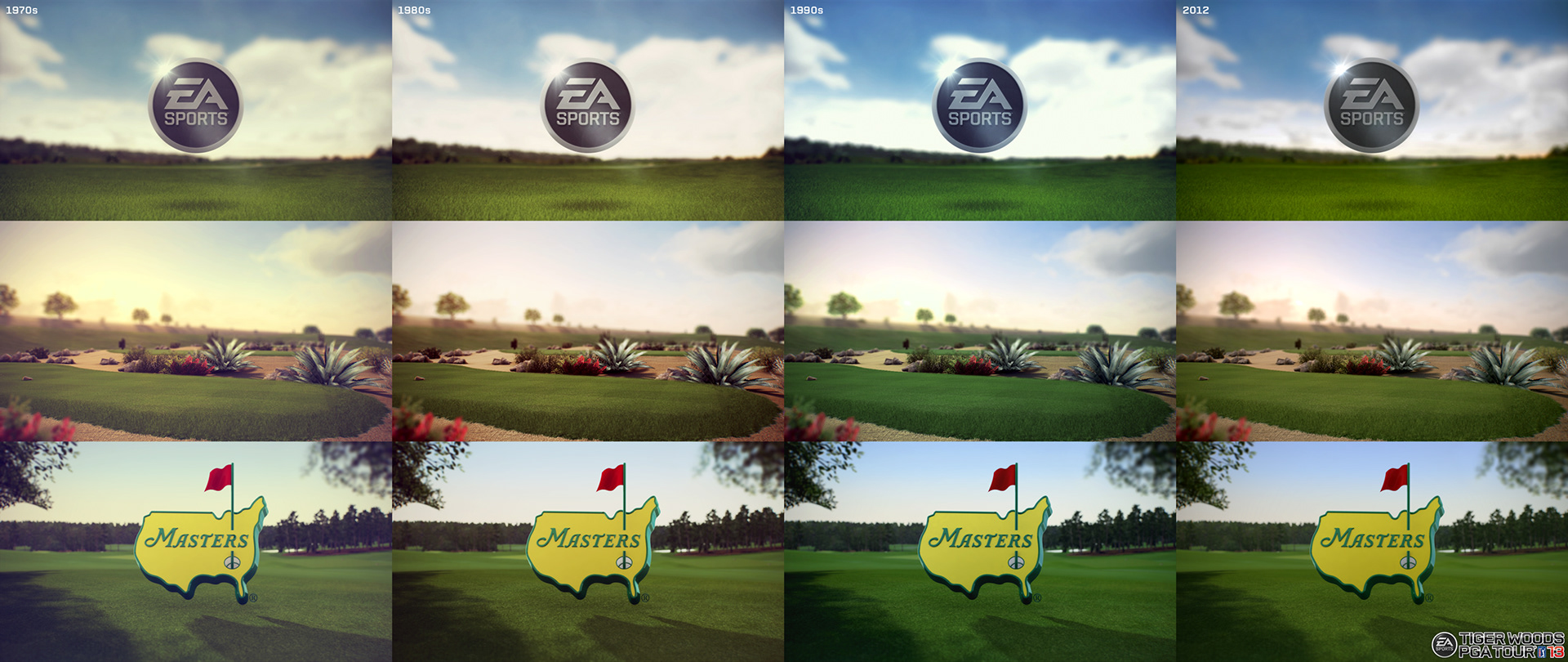
Color grading for 1970's, 1980's, 1990's and 2000's eras.
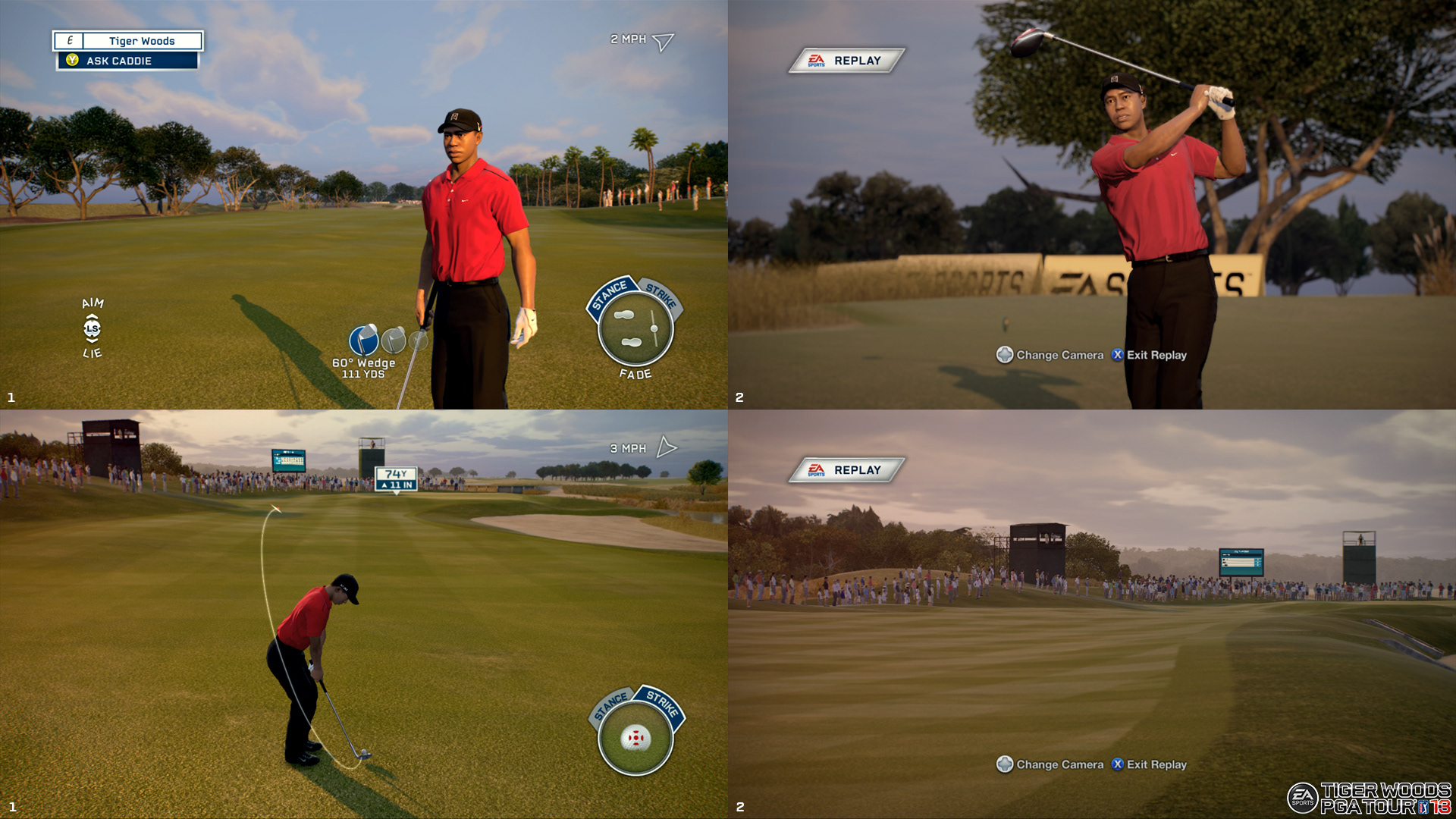
Gameplay Events

Comparison shots between color grading from the course (1) and additive color grading during "Replay" mode (2).

Broadcast Presentation
Process Breakdown

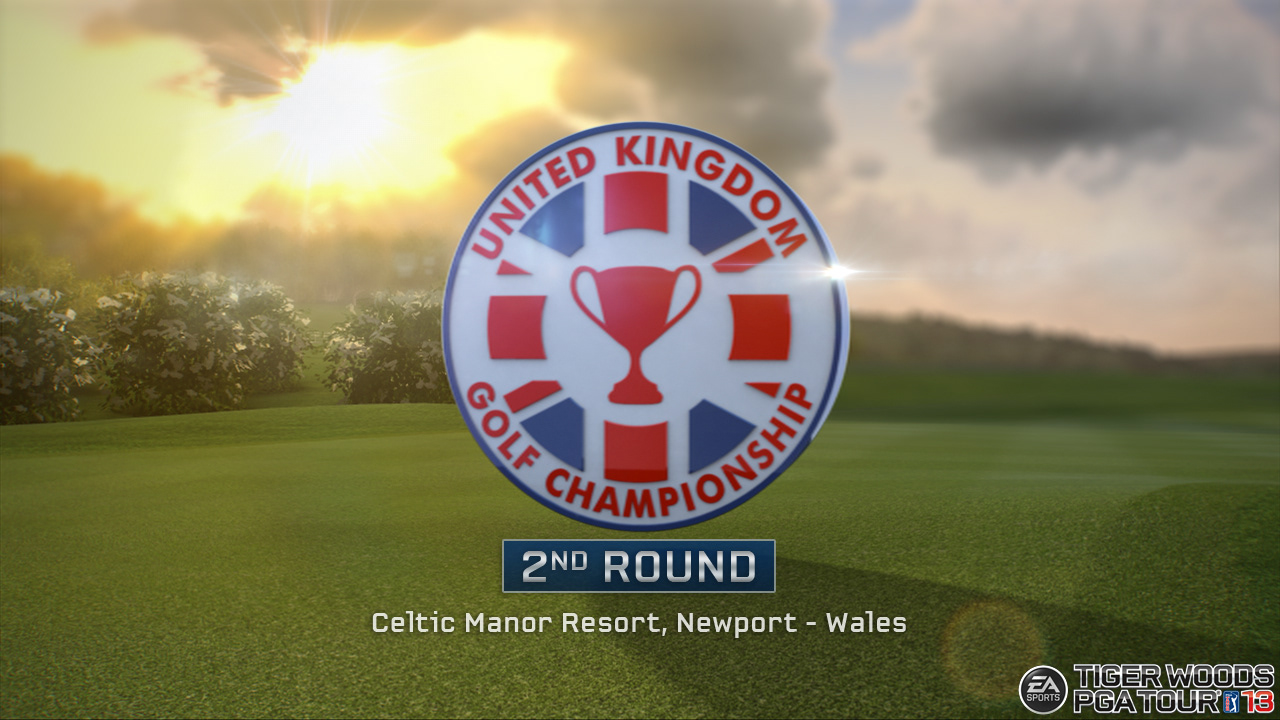
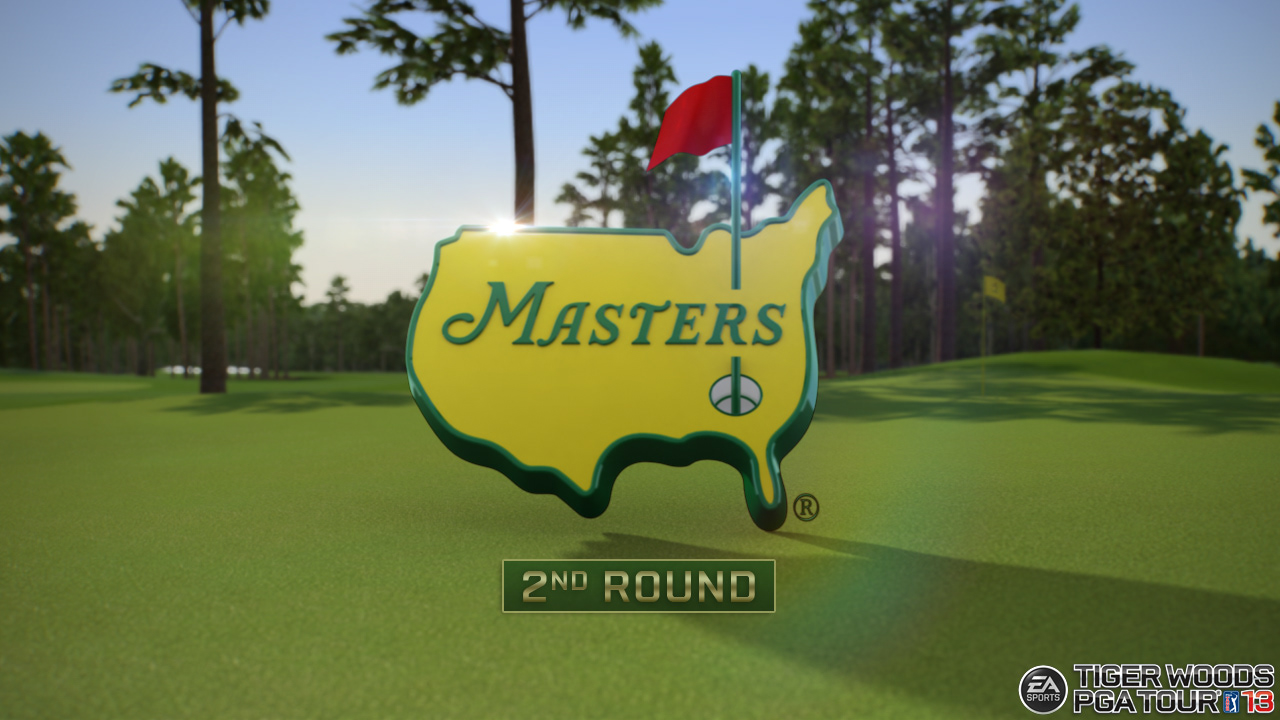
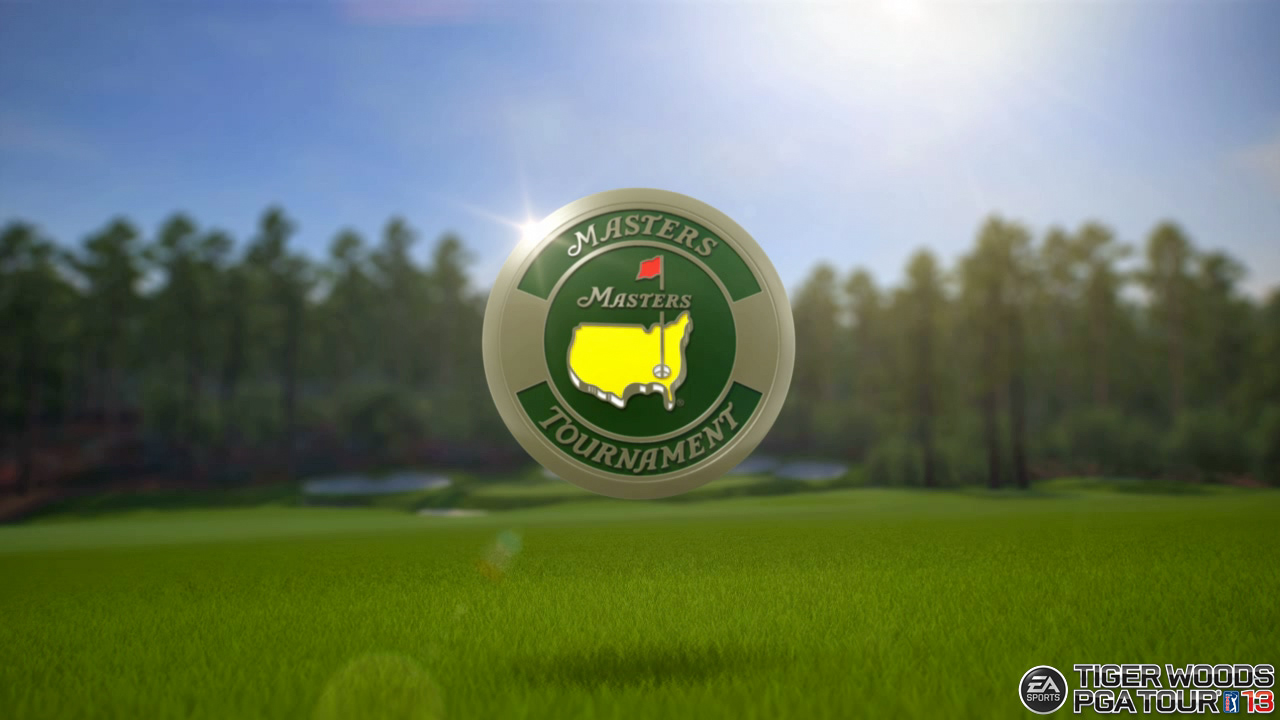
A golf course "beauty shot" background, rendered from an animated in-game camera (1), the "tournament logo", pre-rendered as a video animation layered with alpha mask (2), and "UI elements" overlays, dynamically displaying the course information (3), are combined together in real-time during the "Round introduction" sequence (4).
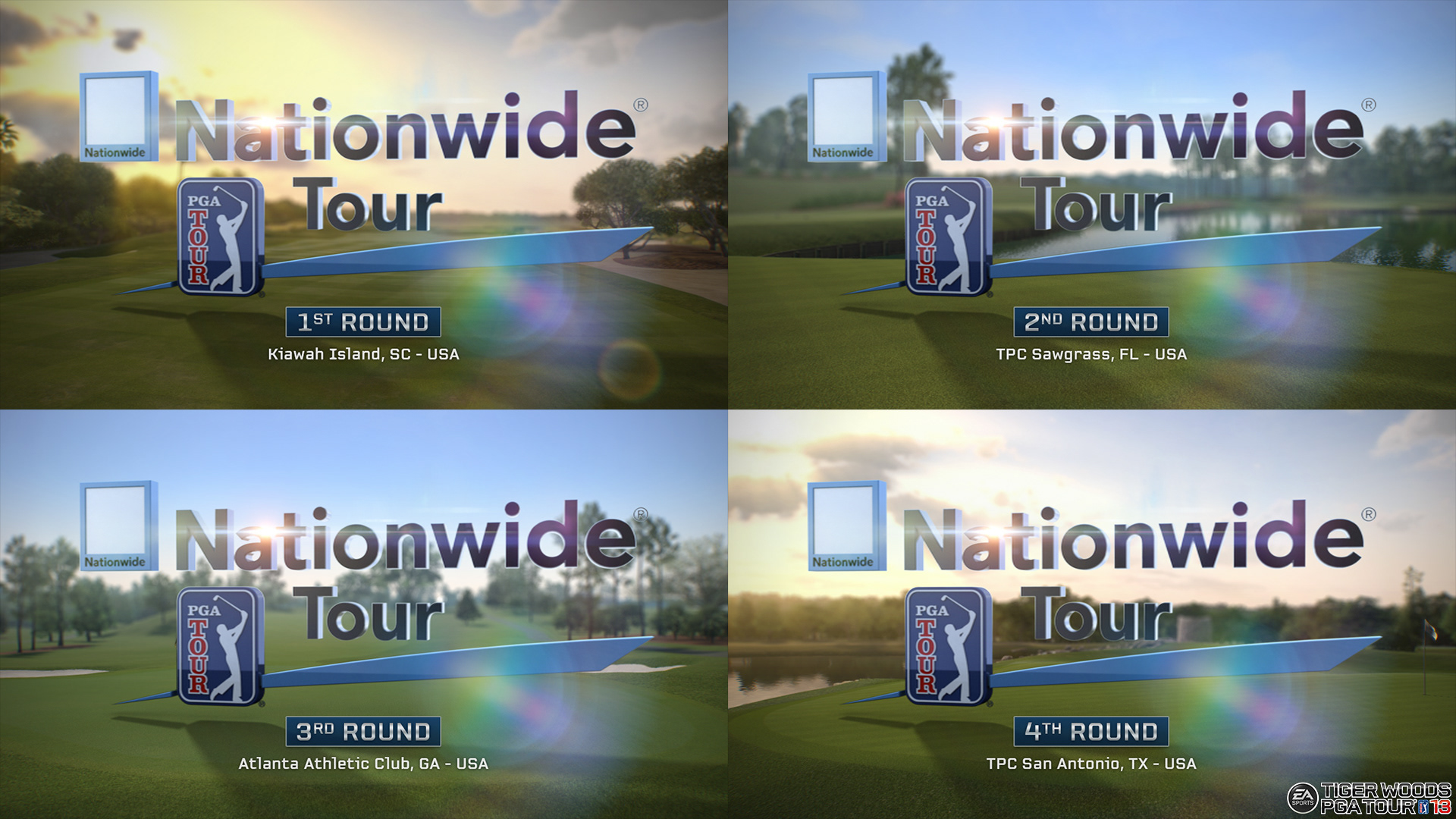
The position for the animation sequence of the in-game camera is oriented on each course to match the direction of the light and shadows from the "tournament logo" pre-rendered video used for sunny weather conditions.

A variation of the pre-rendered "tournament logo" video was created for overcast and rainy weather conditions with adjusted lighting, soft shadows and desaturated reflections. 

Tournament Logos
Camera Transition Wipes
Environments
Beauty Shots
Back to Top